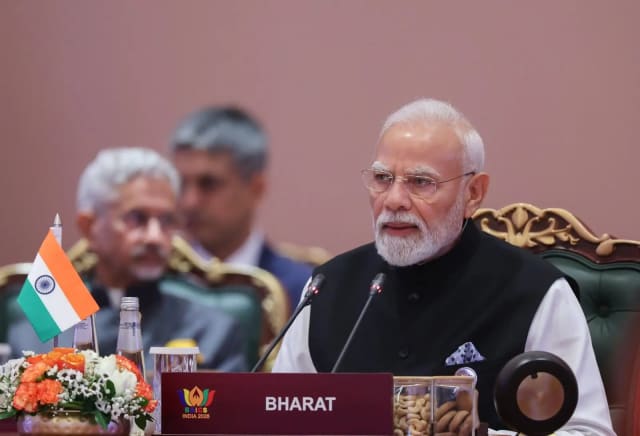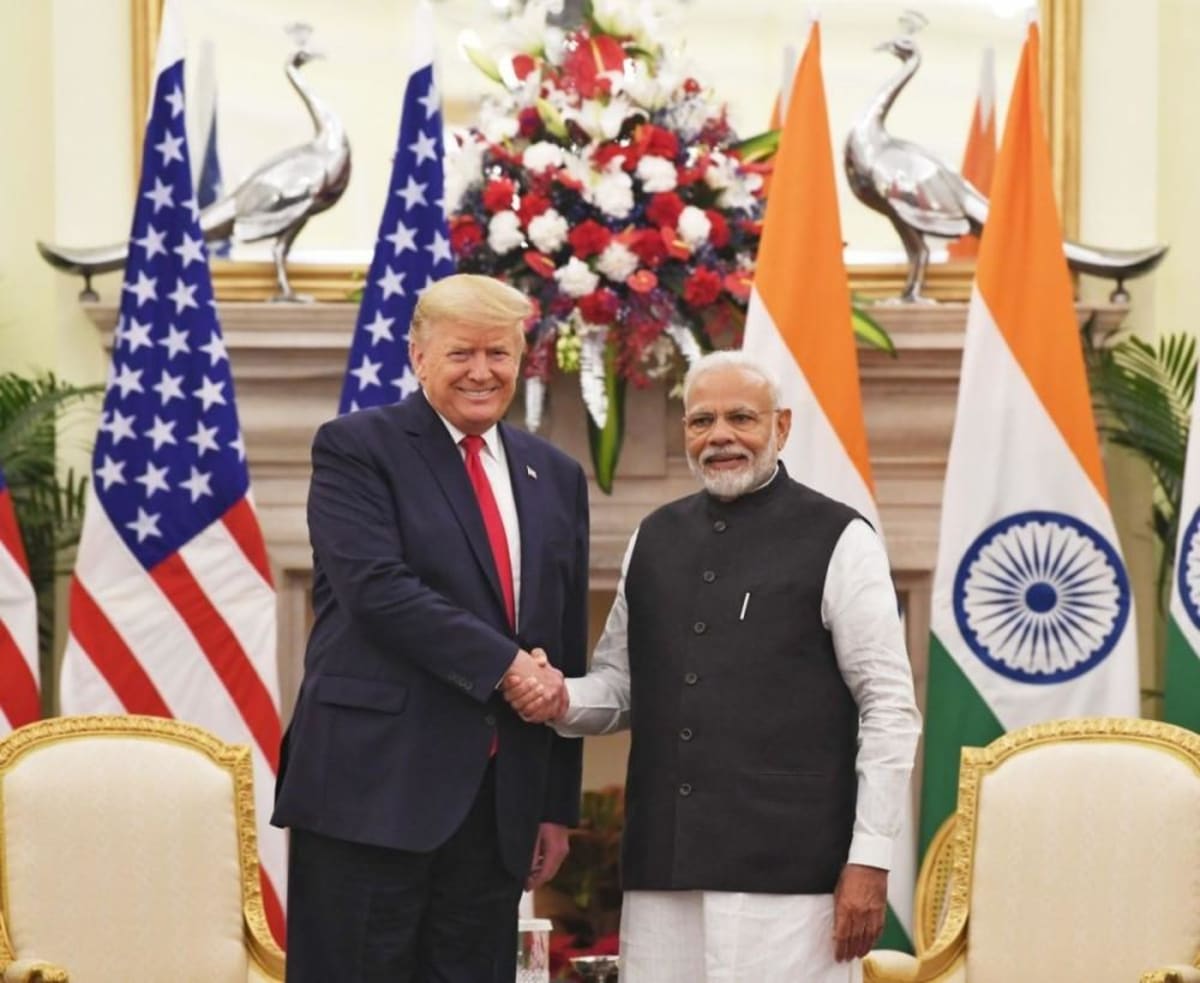
The United States has announced plans to further strengthen its strategic partnership with India by expanding cooperation across defence, civil nuclear energy, trusted artificial intelligence (AI), and critical supply chains. The announcement was made by US Assistant Secretary of State S. Paul Kapur, who highlighted the growing importance of India in America's long-term Indo-Pacific strategy.
The remarks reinforce the steady growth in India-US relations, which have evolved beyond traditional defence cooperation into emerging technologies, economic resilience, and regional security.
Editorial Insight
Key Highlights
Important points readers should notice.
US announces plans to deepen strategic partnership with India.
Defence cooperation remains a major pillar of bilateral ties.
Civil nuclear collaboration continues to expand.
Trusted AI and emerging technologies added to priority areas.
Supply chain resilience identified as a shared strategic objective.
India remains a key US partner in the Indo-Pacific region.
Speaking during an interaction focused on India-US strategic ties, Assistant Secretary of State S. Paul Kapur said Washington considers India one of its most important partners and intends to deepen cooperation in several key sectors.
According to Kapur, the partnership now extends well beyond military collaboration. Alongside defence cooperation, both countries are working to strengthen civil nuclear engagement, secure supply chains, promote trusted artificial intelligence, and accelerate cooperation in other emerging technologies that will shape future economic growth and global security.
The United States views India as a central partner in maintaining stability across the Indo-Pacific region, where geopolitical competition has intensified in recent years.
Editorial Analysis
Why This Matters
The announcement signals continued momentum in India-US strategic relations at a time of increasing geopolitical competition and rapid technological change. Greater cooperation in defence and civil nuclear energy could strengthen India's security and clean energy ambitions, while collaboration on AI and advanced technologies may boost innovation, investment, and supply-chain resilience. For businesses and investors, closer India-US cooperation could also create opportunities across manufacturing, semiconductors, defence production, digital technologies, and energy.
Defence cooperation between the two countries has expanded steadily through joint military exercises, defence technology initiatives, intelligence sharing, and increasing procurement of advanced defence platforms. Officials from both governments have repeatedly described bilateral defence ties as stronger than ever before.
Civil nuclear cooperation also remains a significant pillar of the relationship. Although the landmark India-US Civil Nuclear Agreement was signed in 2008, both governments have continued discussions on expanding peaceful nuclear collaboration, including opportunities involving advanced reactor technologies and clean energy development.
Kapur also underlined the growing role of trusted AI and emerging technologies, indicating that both democracies are seeking closer coordination in sectors critical to future economic competitiveness.
The remarks come as global supply chains continue to undergo major realignments following geopolitical tensions and disruptions in international trade. Washington has increasingly identified India as a reliable partner for strengthening resilient manufacturing and technology ecosystems.
Background / Context
India and the United States have transformed their relationship over the past two decades from limited engagement into a comprehensive strategic partnership.
One of the biggest milestones was the India-US Civil Nuclear Agreement, commonly known as the "123 Agreement," which enabled civilian nuclear cooperation despite India's non-signatory status to the Nuclear Non-Proliferation Treaty (NPT). The agreement significantly reshaped bilateral relations and opened the door to wider strategic cooperation.
Since then, cooperation has expanded across defence, trade, space, cybersecurity, semiconductors, critical minerals, renewable energy, and advanced technologies.
Both countries also work closely through frameworks such as the Quad, alongside Japan and Australia, to promote a free, open, and secure Indo-Pacific region.
Official Statements / Verified Information
US Assistant Secretary of State S. Paul Kapur said the United States is expanding cooperation with India in:
- Defence
- Civil nuclear energy
- Trusted Artificial Intelligence
- Supply chain resilience
- Emerging technologies
He described India as an increasingly important strategic partner for the United States and stressed that cooperation is expected to deepen further in the coming years.
Observers will closely watch for:
- New bilateral defence agreements.
- Progress on civil nuclear energy projects.
- Expanded cooperation in AI and emerging technologies.
- Further initiatives aimed at strengthening resilient global supply chains.
- Future high-level diplomatic engagements between New Delhi and Washington.
No new bilateral agreement was announced alongside the official's remarks, and additional policy measures are expected to emerge through ongoing diplomatic engagement.